|
Dates: June 16-19, 2022 (Thurs. - Sun.)
The benchmark expedition for the Wyoming BFRO happened in 2008. It was a great success considering the long-shot odds.
There was a very close encounter (less than 25 feet) with a group of three
participants late at night on the second night of the expedition. The
next day the group fanned out in the same area and found the line of tracks
from a large sasquatch. A few participants from Utah followed the tracks
and came across what they described as an "elk highway" -- a
well worn game trail repeatedly used by a large herd of elk.
The
group will be returning to the same area in 2022.
It was quite exciting to find more corroboration of a pattern that had
been noticed elsewhere in the western states -- sasquatches apparently
shadow elk herds in regions with lots of elk. The BFRO was the first organization
to notice the annecdotal evidence supporting this pattern. At the outset of the formation
of the organization a connection was noted between sasquatch sightings
and predation on deer in Ohio.
Beginning in the year 2000 the BFRO thought there might be similar correlation
with elk herds in the west. After several expeditions in the western states
this correlation became increasingly obvious. An expedition in central
Oregon noted an even more intriguing pattern. If a zone with a dense mule
deer population is adjacent to a zone with a dense elk population, sasquatches
are more likely to be found in the elk zone, and not in the mule deer zone
at all. Sasquatches seem to prefer elk over mule deer (elk meat tastes
much, much better).
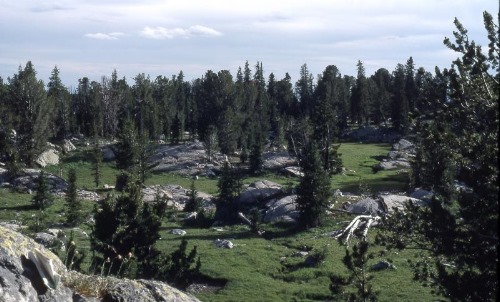
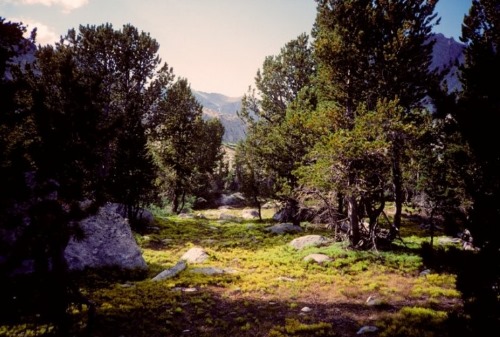
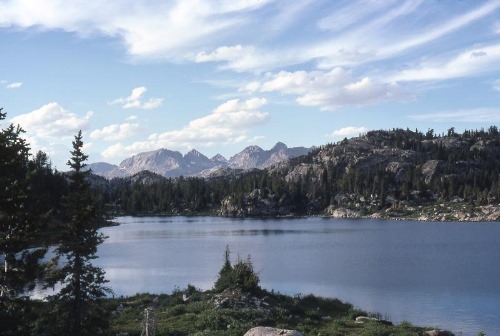
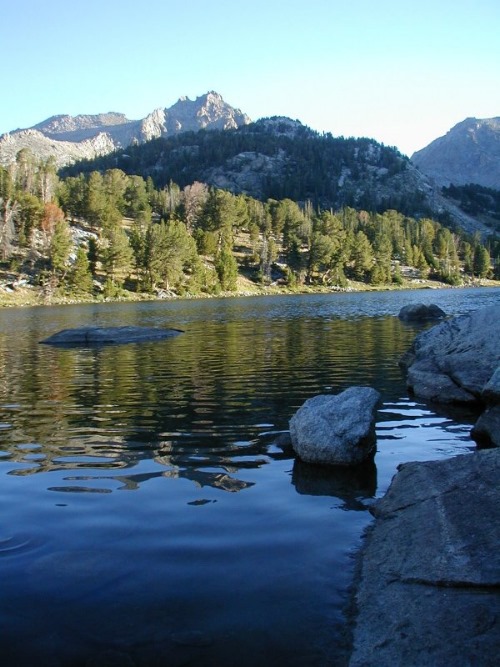
This remote zone in Wyoming was identified on maps by Wyoming BFRO investigator
Brooke Raser. It had no reports of sasquatches in the immediate area,
but it did have the right terrain and ecological ingredients that sasquatches
find attractive elsewhere. Among other things, the area was known to be
loaded with mountain dwelling ungulates (hoofed animals) of various types
in the summer, especially elk.
This part of Wyoming may support a wider variety of mountain dwelling
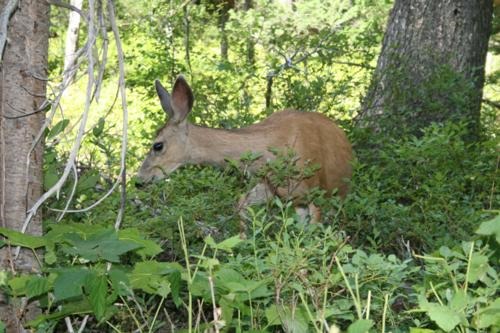
ungulates than any other place in North America. The photos below show
examples of many of these different ungulate species.
The expedition is currently being organized
by Brooke Raser. At this time he is accepting requests for participation
by non-members. To contact him, follow the instructions on the Frequently Asked Questions
about the expeditions.
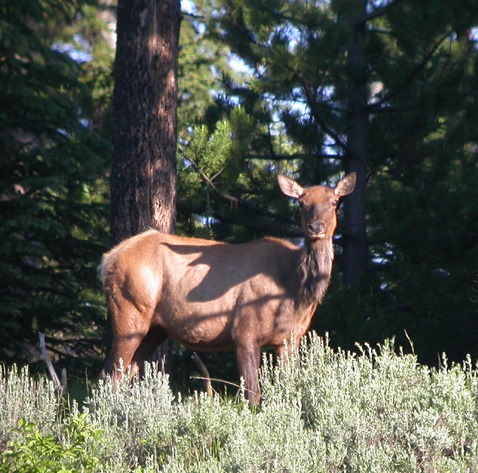
Wapiti Elk (female)
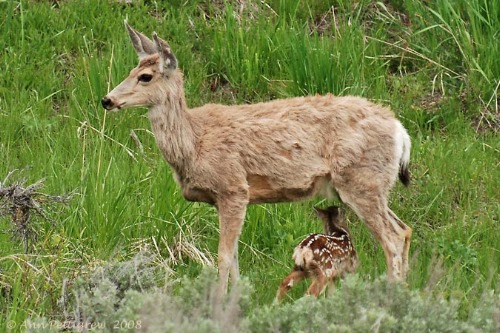
Mule Deer and Fawn
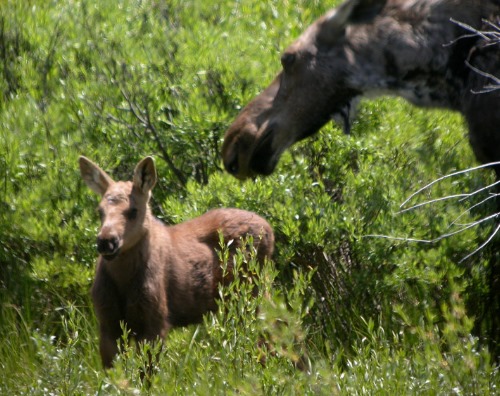
Moose and Calf
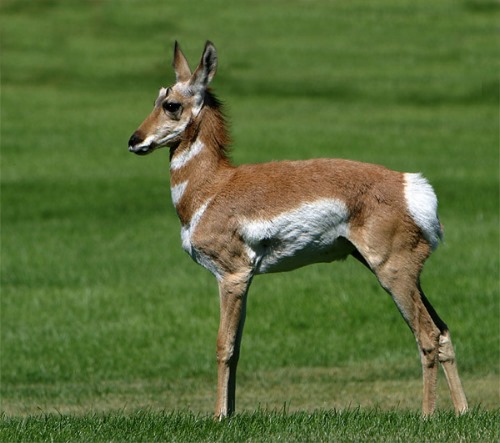
Pronghorn Antelope (Yearling)
|
|
|
|
|
|
|
 |
 |
|
Red Deer
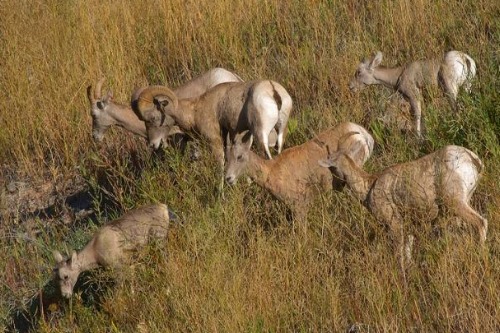
Big Horn Sheep
|
|
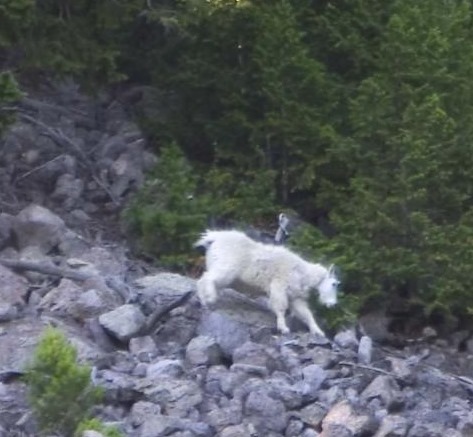
Mountain Goat
|
|